
Pheasantry
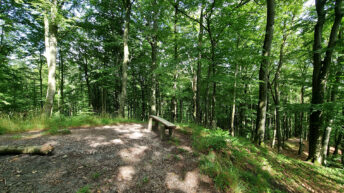
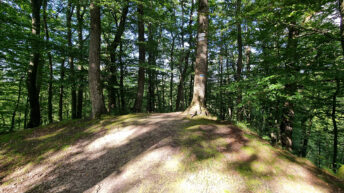
Pheasantry – a historic forest park located on the Elbląg Upland, within the administrative boundaries of Elbląg, within the Elbląg Upland Landscape Park. The Silver Stream flowing through the park has created deep gorges. Despite its relatively low altitude, Pheasantarnia has mountainous features, as evidenced by its vegetation – mountain sagebrush, ostrich fern, martagon lily, gray alder, bear’s garlic, beaked monkshood, bulbous sagebrush, giant horsetail, and fern. The park is mostly covered with mixed forests, dominated by beech. Other deciduous species include oaks, hornbeams, elms, birches, and lindens. Coniferous trees growing in Pheasantarnia include pines and spruces. Also characteristic of this area are giant horsetails (up to 2 meters tall) and a large number of ferns.
Pheasantry became a mass recreation area for the residents of Elbląg in the early 18th century. Residents then called it Vogelsang (German for “Birdsong”). The Elbląg authorities constructed numerous new public facilities here. New bridges were built, hiking trails were marked, and landmark structures such as the bandshell, the Parasol (Umbrella), and the observation tower known as the Bismarck Tower (demolished after the war) were erected. After the end of World War II and the incorporation of Elbląg into Poland, the new residents named the park Pheasantry, due to the large number of birds inhabiting the park. Even as late as the 1990s, numerous pheasants could be seen in the park.
Pheasantry contains numerous natural monuments: a beech tree by the red trail, the “Devil’s Stone” erratic boulder, six oak trees, three common beeches, two white poplars, and three groups of erratic boulders.
Several tourist trails have been marked through the park: the Red Copernicus Trail, the Blue Circular Trail, the Green Lizard Trail, and the Yellow Circular Trail.
Hikes related to the tag PHEASANTRY: